
Additional information
| Producer | |
|---|---|
| Grape Variety | |
| Region | |
| Country | |
| Vintage | |
| Size |
$115.00
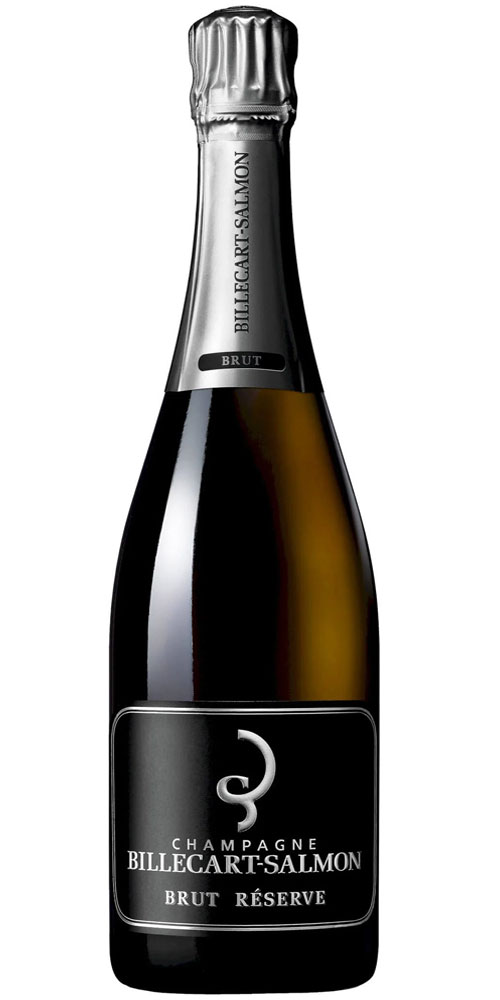
The avowed aim is to achieve finesse, elegance and balance through very cool ferments in stainless steel, an approach pioneered by Billecart-Salmon. A feature of the house is low dosage levels (here 8g/l), and the wines are fragrant and elegant. 96 points James Halliday’s Top 100 2023
Dried lemon, grapefruit, croissants and salted almonds here, with a flavorful palate. Creamly bubbles. Layered and delicious. – James Suckling, 92 Points
Billecart-Salmon’s ever reliable Reserve Brut is made from a blend of 30% Pinot Noir, 30% Chardonnay and 40% Pinot Meunier and spends 30 months ageing on its lees. 50-60% of the blend is made up of reserve wines.
In stock
| Producer | |
|---|---|
| Grape Variety | |
| Region | |
| Country | |
| Vintage | |
| Size |
Growers since the early 1800’s, the Dethunes began bottling their own Champagne in the 1930s. It’s a tiny estate, 7 hecatres in total, planted to 70% Pinot and 30% Chardonnay, a typical varietal split for Ambonnay. Ambonnay is a grand cru village, producing some of the richest and most powerful Champagnes. Almost all the vineyards lie on south facing slopes, but the ground and exposure is uneven and more varied, contributing to greater complexity and a finesse not found in Aye or Bouzy. The soils are 93% chalk, the highest in the entire region, but the top soil is rich clay and silex. Power, richness and finesse.
Vinification and ageing is in oak sourced locally, either in the traditional Champagne 205 litre barrels and/or 34 hectolitre foudres. Coming from a grand cru village means that all fruit is 100% grand cru and, in the Dethune’s case, has the highest level HEV, High Environmental Value certification for sustainable viticulture. Up to 50% reserve wines are used for the Grand Brut NV from a perpetual solera begun over 40 years ago.
One cannot escape the richness and power of Ambonnay’s fruit, and why would you want to. Paul Dethune’s Champagnes are nothing if not classic Ambonnay, with a level of finesse, refinement and freshness almost unequalled in the village. Krug sources the bulk of their fruit from this illustrious village, including their rarest and most expensive wine, Clos d‘Ambonnay. If we take the Krug as a reference point, Dethune is brighter, fresher and more vivid. They are Champagnes of incredible width, long palates and soft bubble. Deep, vinous and gourmand, for drinking and pairing with food.
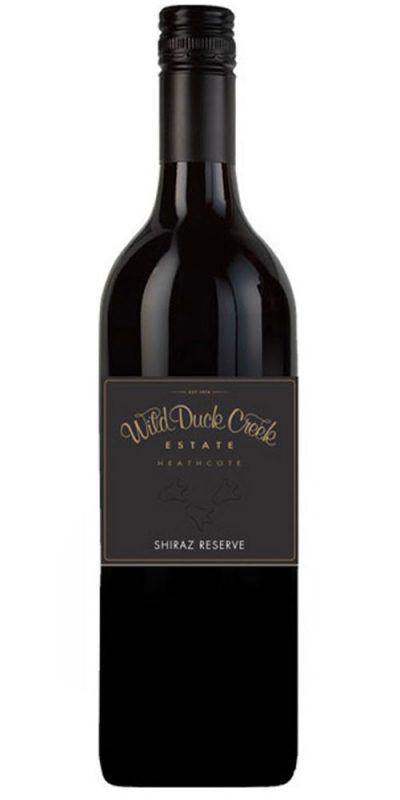
Almost black with a dark purple hue, yet the wine is bright, rich and seductive. 5% whole bunch here, adding a vibrant lift from the glass. The nose is all black pastel, charcoal, spice and red fruit compote. The palate has a wonderful electricity about it, with beautiful acids and a smooth finish. It’s full […]
Add to cart Producer: Wild Duck Creek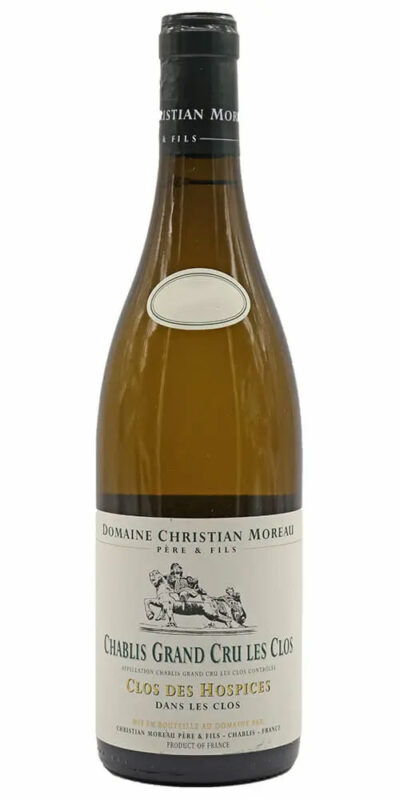
A tiny 0.41 ha strip of vines located at the bottom of Grand Cru Les Clos. More apparent wood is present on the otherwise similar nose. There is however more richness and volume to the slightly bigger-bodied and more concentrated flavors that also brim with sappy dry extract while exhibiting outstanding length on the powerful […]
Add to cart Producer: Christian Moreau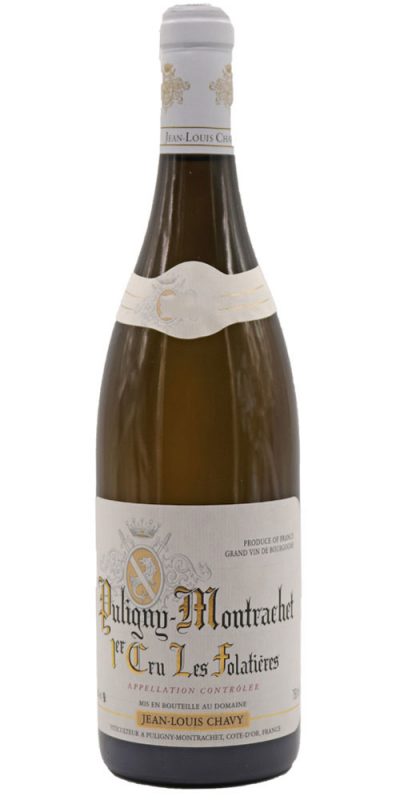
From 0.51 ha of vines in 2 separate plots planted 1993 and 1965, one in the steepest stoniest part close to Blagny which contributes excellent acidity and structure, the other part is from lower down where the soil is richer and this part gives greater richness and depth to the wine. This shows wonderful intensity […]
Add to cart Producer: Jean-Louis Chavy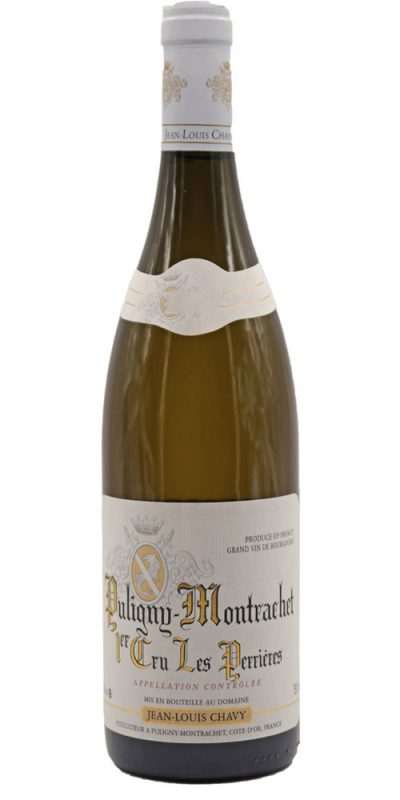
From 0.146 ha of vines planted in 1986 which were purchased by Jean-Louis. “Has a lifted mineral nose with subtle scents of honeysuckle and almond, certainly endowed with the vigour one expects from this vineyard. The palate is fine, harmonious and svelte on the entry. This is a Perrieres demonstrating typical fine mineral nuance, though […]
Add to cart Producer: Jean-Louis Chavy