
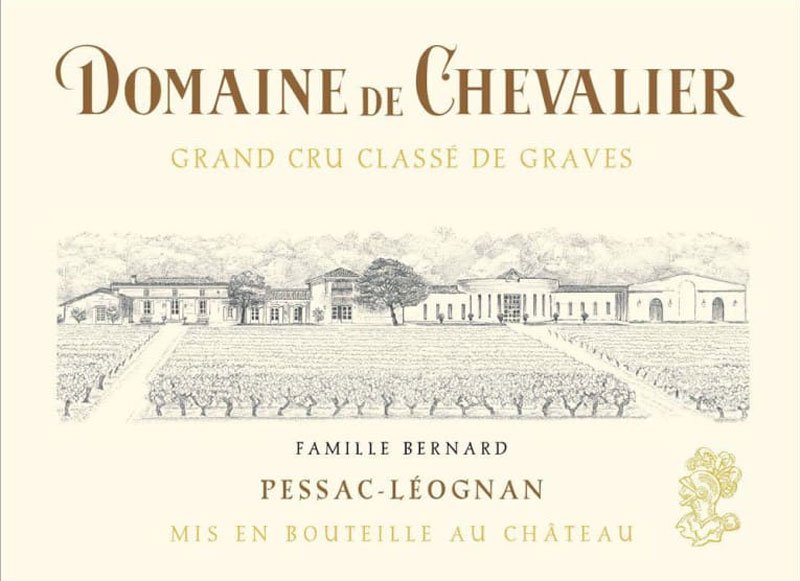
One of the most memorable wines I’ve ever tasted was a dry white Bordeaux – 2003 Domaine de Chevalier Blanc. It wasn’t even over a long lunch or shared among close friends. Just a brief tasting with a group of wine professionals. No theatre, no occasion – yet it’s stayed with me. Not because of the setting, but because of the wine itself. It quietly, confidently exceeded every expectation I had.
It got me thinking: do we really make wines like this in Australia?
A different approach
The honest answer is – not often. There are exceptions, of course, but they’re few. And it’s not for lack of ability. It’s more about approach.
Great dry white Bordeaux is, at its heart, about blending – most often sauvignon blanc and semillon, sometimes with supporting varieties. It’s also about élevage: time, patience, and the thoughtful use of oak. Not to dominate, but to shape, to build texture, to allow a wine to become more than the sum of its parts.
In Australia, we tend to treat these elements a little differently. Sauvignon blanc is often bottled solo, prized for its immediacy and brightness. When we do see “Fumé Blanc,” it can sometimes signal oak, but rarely the kind of depth or time that defines the great wines of Bordeaux.
And that’s understandable. There are real pressures – cash flow, tank space, the need to release wines early. Fresh, vibrant wines are appealing, and they sell. But I can’t help feeling that something is occasionally left on the table.
A punter’s tips
From a drinker’s perspective, here’s what I’d love to see more of:
Blend more. Sauvignon blanc is a wonderful grape, but it often shines brightest alongside semillon. The interplay brings complexity, texture, and longevity.
Be patient with élevage. Time in barrel – especially on lees – adds shape, savouriness and quiet detail. These wines don’t need to be rushed.
Don’t be afraid of oak. Used well, it’s not flavouring – it’s architecture. It gives the wine structure and the ability to age.
Think long-term. Not every wine needs to be released at its most immediately expressive. Some of the greatest wines in the world ask for time – and reward it.
Trust the process
And perhaps most importantly, trust the process. Taste, wait, and let the wine tell you when it’s ready.
There’s no shortage of talent in Australian wine. If anything, there’s an opportunity – to lean into a style that values nuance, patience and quiet confidence. From where I sit, as a drinker, that’s a pretty exciting prospect.